

How to Diagnose and Repair UPVC Door Issues
Upvc doors are a popular choice in modern buildings because of their energy efficiency and long-lasting durability. Like any other fixture the doors of upvc can experience problems that require repairs to ensure their functionality.
Plastic filler with a low shrinkage can be used to repair minor cracks. Hinges that are not aligned can be adjusted in order to restore their function.
Cracks and Scratches
Despite their minor appearance, scuffs and scratches on uPVC doorways can degrade the aesthetics of your home. Deep scratches can also weaken the structure, compromising the weatherproofing of the door. Professionals can repair a majority of these damages without the need for replacement. However, it is essential to determine the cause of the damage prior to beginning the repair process. Accurate diagnosis will ensure the correct repair procedure which will save you time and money.
uPVC door repairs are typically simple, however more complicated issues such as replacing damaged locks or re-aligning the door require professional advice. window doctors will have all the tools and experience required to complete these tasks quickly and efficiently. They can restore your uPVC door back to its former glory whether you want to repair simple cracks or dents, or more serious damage.
The first step in repairing a scuff on a uPVC door is to clean the exterior of the door and frame. Clean any debris or dirt with isopropyl Alcohol. Then, dampen a microfibre cloth and apply two small drops of furniture polish or car polish. Rub the scuff in the same direction that is the uPVC. Let the scuff dry for 20 minutes prior to buffing again, until you have a smooth surface.
Another popular uPVC repair involves filling a crack in the door or window. A uPVC kit contains acrylic compound that is easy to apply to the crack. The patch of compound should be applied within two minutes after mixing, as it will be easier to work with. After the patch is applied, you can sand it down to ensure it blends seamlessly with rest of the uPVC.
uPVC repair is often inexpensive and easy, however regular maintenance is essential to extend their life and functionality. Cleaning and wiping regularly can help keep the door in good condition, and avoiding abrasive cleaners or harsh chemicals can help prevent the accumulation of dirt and damage.
Damaged Locks
The door lock is among the most vital components of a uPVC. It is designed to keep your home's valuables safe and safe. However, like any other hardware it can experience wear and tear over time.
A damaged lock poses a major risk to your security. If you have a faulty lock, you may be thinking about replacing it completely. A professional locksmith can help you in deciding whether you should replace or fix your uPVC lock.
UPVC front doors are typically equipped with a multi-point locking system handles, hinges, and a range of seals. These components are designed to keep your home secure and weather-proof. While UPVC doors are extremely durable, they are also susceptible to being damaged due to a variety of reasons. Fortunately, an UPVC repair expert can fix the problem and restore the quality of your door.
The most common uPVC door issues are lock failure and misalignment the hinges or frame. These issues are fairly easy to fix. You can do some repairs yourself, but always seek the advice of a professional for repairs or replacements if the issue is more complex.
If your uPVC doors aren't locking properly the barrel portion of the lock is likely to be faulty. You can check this by turning the handle. If the handle is loose or floppy you can tighten it by using the screws that secure the barrel. This should fix the problem.
A damaged gearbox is a common uPVC problem. This can be diagnosed by turning the handle, and hearing a clicking noise when the key is placed in the barrel. This is usually caused by dust and dirt that have accumulated over time. In this situation, the solution is to clean the lock.
If your UPVC is badly damaged, replacing it could be more cost effective. If the damage is minor but it's generally more affordable to repair the door rather than replace it. A professional uPVC door repair service will provide you with an estimate for free and finish the task quickly.
Hinges that are misaligned
Over time the hinges on uPVC can loosen up. This can cause the door to fall and put stress on the locking mechanisms. This is a relatively easy issue to solve. First, you'll need determine which hinge needs adjustment. This is typically done by looking for an adjustment screw on both of the hinges. They are usually found on the top and bottom of the hinges. A Phillips screwdriver is required to loosen the screw. Once the screw is loose, it can then be turned to move the hinge in the correct direction. After you've made the required adjustments then tighten the screw.
Repeat the process for all hinges on uPVC doors. Once you've verified that all of the hinges are properly adjusted, you will have to test the door. Make sure that the lock works correctly and that it opens and closes smoothly. Check that the door doesn't fall on the floor or create draughts.
The hinges on uPVC doors can be misaligned for a variety of reasons. This can be due to incorrect installation, weather conditions and the natural settlement of a building or house. If your uPVC doors are not in alignment, it can cause issues with the multipoint lock mechanism, making it difficult to open and shut the door.
Depending on the kind of hinges you are using There are various ways to adjust them. For hinges that are butt they will typically have one or more adjustable slots that are used to make vertical and lateral adjustments. They are typically used on modern uPVC doors and allow you to fine tune the door's movement.
Flag hinges are another type of hinge that is commonly found on uPVC door frames. They are usually equipped with one or several adjustment screws to allow you to alter the height. They are typically located on the top or bottom hinge. They can be adjusted by rotating the screw clockwise or counter-clockwise.
Broken Glass
UPVC doors are designed to keep elements at bay, but they can be damaged over time. The good news is that many of these issues are relatively simple to fix with the right tools and understanding. It is best to seek out a professional uPVC repair service if you are unsure what issues need to be addressed. They can offer expert advice and ensure that the job is completed correctly.
The hinges and locking mechanism are the most frequently encountered uPVC door problems. They are generally easy to fix, but they can be tricky when the door is badly damaged or misaligned. It's crucial to find the issue, then remove it and then check that everything is aligned properly before reinstalling it.
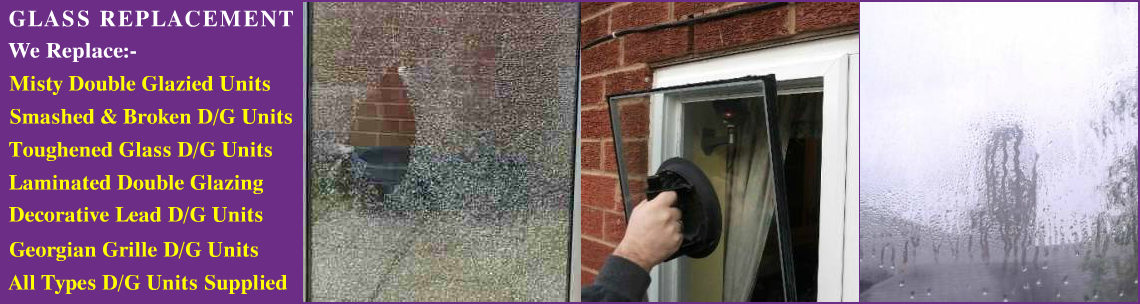
uPVC door problems may also be caused by broken glass. This kind of damage must be repaired immediately as it can be dangerous. In addition to being a security risk, it could also make your home vulnerable to burglars who might try to break in through the window or door itself. The damage can be repaired in a variety of ways, but it is recommended to hire an expert to do it to ensure that the work is done right.
UPVC doors come with a variety of locks that offer the highest level of security for your home. These locks are built to withstand an attack. It is essential that they are in good working order.
If you notice that your UPVC door is beginning to break, it's important to fix the issue in the shortest time possible. It's a serious security risk and could lead to your home being burglarized or even being destroyed by an intruder.
UPVC doors are an excellent choice for homeowners because they're sturdy, energy efficient and cost-effective. However, they are susceptible to a range of problems in time, ranging from cracks to dents and faulty locks. To avoid these problems keep your UPVC doors by using the lubricant made of silicon. This will allow them to slide smoothly and prevent the accumulation of dirt which can cause them to be stuck or become stiff.